


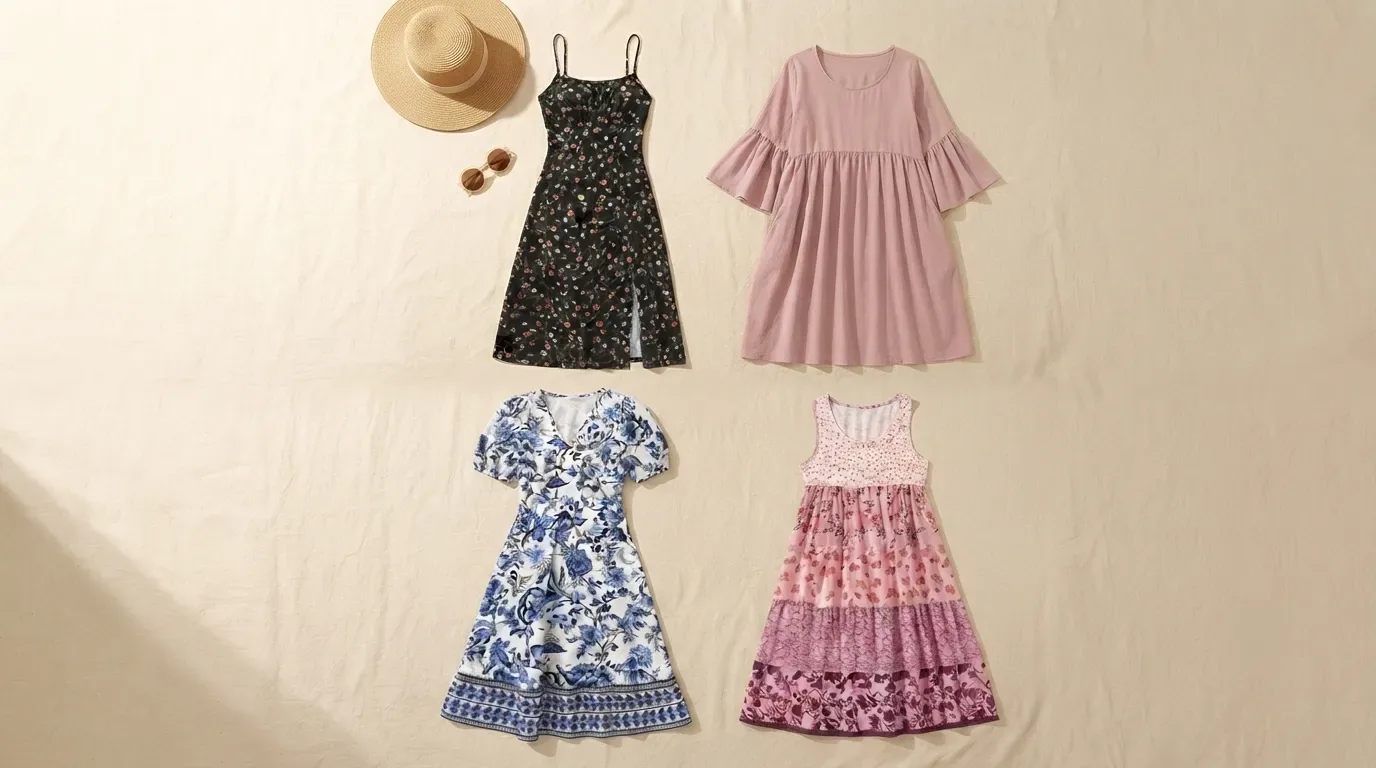
The best casual summer dress for 2026 is a breathable, machine-washable sundress with a flattering neckline that needs no ironing and works from a beach walk to a casual dinner. Vacation and everyday dresses share the same three requirements: breathable fabric, easy care, and a cut that photographs well without needing accessories to complete it.
This guide covers the dress styles worth owning for warm-weather and vacation wear in 2026, what makes each one work, and which specific pieces solve the most common summer wardrobe gaps.
What Makes a Vacation Dress Work
A dress works for vacation and beach wear when it packs without wrinkling, dries quickly after a rinse, and doesn’t require a specific bra or undergarment to look right. Polyester and polyester-cotton blends dominate this category because they resist creasing in a suitcase better than pure cotton or linen, holding up across multiple wears without a mid-trip laundry stop.
The second requirement is versatility across a full day. A dress that works at breakfast, on the beach, and at a casual dinner — without a full outfit change — saves luggage space and packing time, which matters more on a five-day trip than any single design detail.
A dress earns its spot in a suitcase if it:
- Survives folding in a suitcase for 3+ days without deep creasing
- Works with both sandals and dressier shoes
- Doesn’t require a strapless bra or special undergarment
Sun-Print Summer Dresses
A sleeveless, round-neck sun-print dress earns its place in a summer wardrobe because the A-line, mid-waist cut flatters more body types than fitted alternatives while staying cool in high heat. The Sleeveless Stitching Summer Dress is designed around exactly this combination of comfort and shape.
Mid-length A-line dresses also solve a practical problem that mini dresses don’t: they work for both casual daytime settings and slightly more conservative venues, like a family lunch or a resort dining room with a dress code.
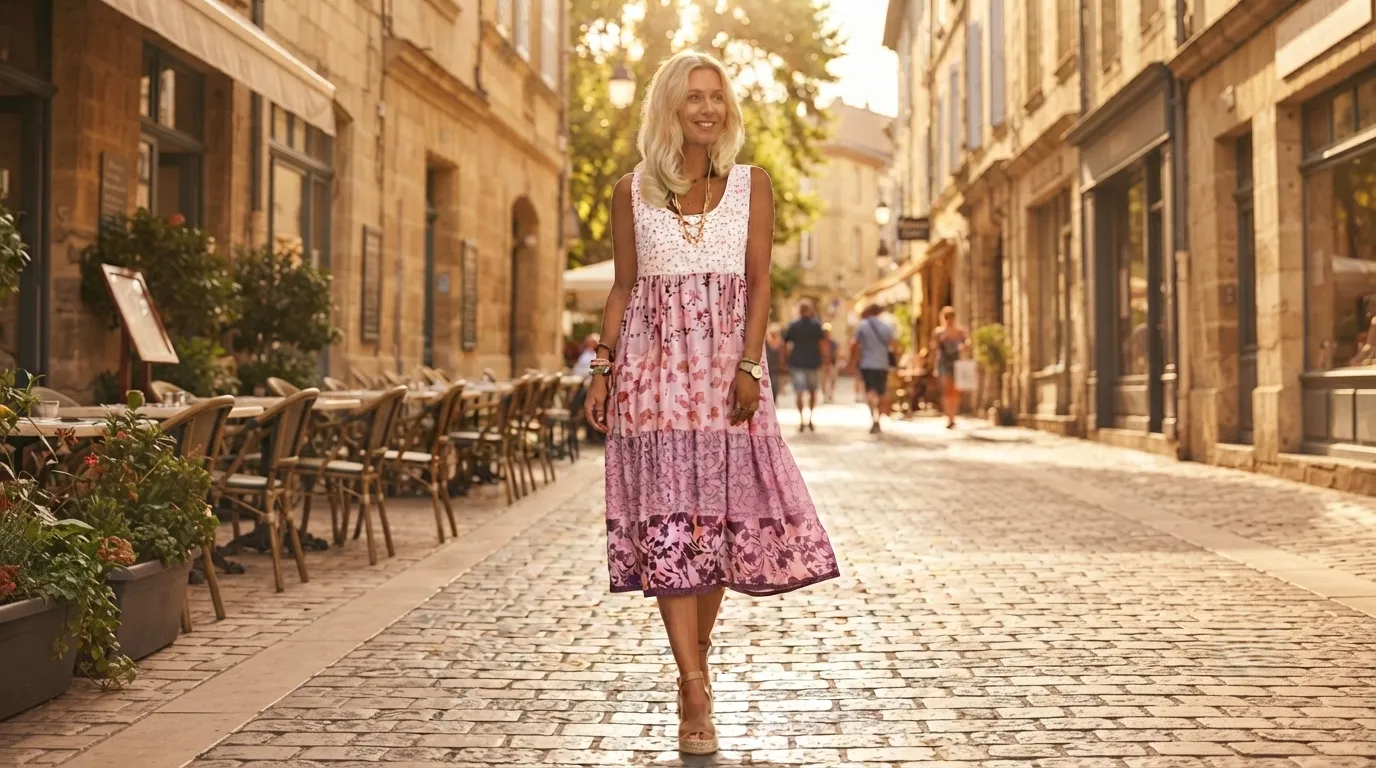
Styling for Multiple Occasions
The same sun-print dress can move from a daytime outing to a casual evening simply by swapping flat sandals for a low heel and adding a light cardigan once the temperature drops.
Beach Dresses & Sun Coverage
A 2026 beach dress should have a half-sleeve or full-sleeve option for sun protection, a breathable weave, and a bohemian or vacation-inspired print that doesn’t need much styling effort. The Floral Print V-Neck Beach Dress uses a half-sleeve cut built specifically for this kind of coverage without sacrificing a beach-ready look.
Full-coverage vacation dresses have gained ground over the past two years as more travelers prioritize sun protection without giving up a beach-appropriate look.

Full-Sleeve Boho Styles
For longer sun exposure, a full-sleeve boho maxi dress in a breathable polyester weave adds even more coverage. The Full-Sleeve Breathable Beach Dress is built for tropical climates where all-day sun is the norm rather than the exception.
Beach dress features worth prioritizing:
- Half or full sleeves for sun coverage
- A relaxed, non-clingy fit for hot, humid climates
- A print or color that hides sand and sunscreen marks
Statement Maxi Dresses
A suspender-style maxi dress fits into a casual wardrobe as the single statement piece worn for beach holidays, pool parties, or evening events during a vacation. The Polka Dot Print Suspender Dress works this way — a side-split maxi silhouette with spaghetti straps that reads as more elevated than a standard sundress.
This style typically isn’t worn as often as a basic sundress, but it fills a specific gap: the one outfit needed for a milestone dinner or sunset event during a trip.

One Statement Piece Beats Several Backups
Packing one well-chosen statement dress instead of two or three “just in case” options frees up suitcase space and removes decision fatigue on the trip itself.
Layering for Cooler Days
A casual dress should be layered with a light cardigan, denim jacket, or cropped sweater once the temperature drops below what the dress alone can handle. This turns a single warm-weather dress into a piece that works for cooler mornings and evenings during the same trip.
Layering also extends a dress’s usable season well past summer. A sun-print or floral dress paired with tights and a cardigan can carry into early fall.
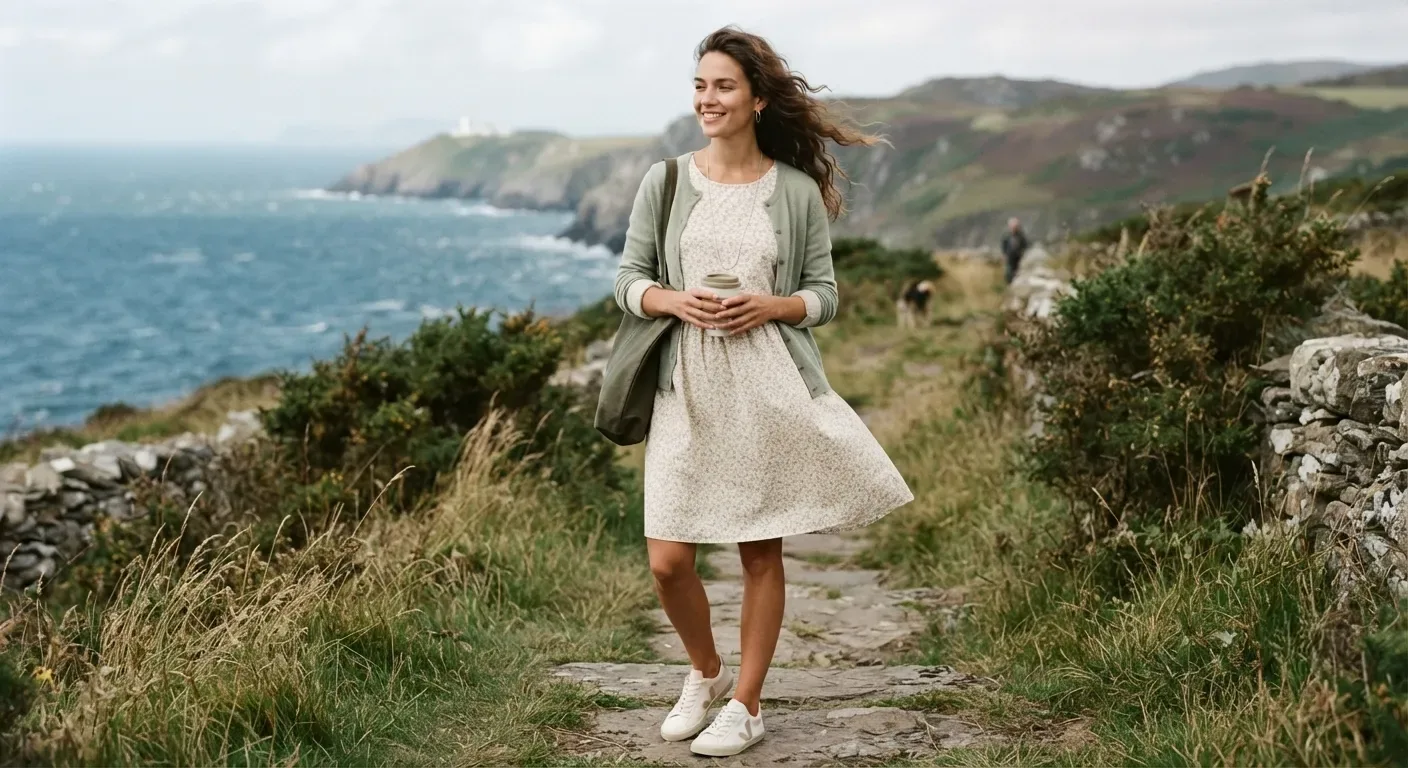
The Three-Layer Rule
A simple rule works for most transitional weather: a light cardigan for a 10-15 degree drop, a denim or bomber jacket for a 15-25 degree drop, and a structured coat for anything colder.
Best Colors and Prints
Florals, polka dots, and soft solid colors perform best for casual dresses because they photograph well in natural light and hide minor travel wrinkles better than bold geometric prints or pure white fabric.
Earth tones and pastel florals tend to have the longest shelf life in a wardrobe because they don’t read as tied to one specific season or trend cycle, unlike bright neon prints that can feel dated within a year.
Fabric Details to Check
Fiber content and stretch percentage matter more than the photo when buying a dress online. A polyester-cotton blend with a small amount of spandex holds its shape through a full day of wear better than pure cotton, which tends to stretch out and lose structure by midday.
Weight is the other detail worth checking. A lightweight weave breathes better in humid climates, while a slightly heavier weave resists wind and holds a cleaner silhouette on breezy beach days.
Reading Between the Lines of a Product Description
Terms like “breathable,” “easy-care,” and “machine-washable” are not marketing filler — they usually reflect specific fabric testing done before a product goes live. A listing that skips these details, or only mentions them vaguely, is worth a second look before adding to cart. Comparing two similar-looking dresses side by side on these specific terms, rather than price alone, is often the fastest way to spot the better-made option.
Packing a Dress Without Wrinkles
Rolling a dress instead of folding it flat reduces sharp crease lines that are harder to shake out once unpacked. Placing the rolled dress toward the top of a suitcase, rather than under heavier items like shoes or toiletry bags, also helps preserve its shape during transit.
A lightweight garment bag or a dedicated packing cube for dresses is a small investment that pays off on any trip involving more than two or three dresses, since it keeps them separated from items that could snag delicate fabric or trim.
Quick Wrinkle Fixes on Arrival
Hanging a dress in a steamy bathroom for ten to fifteen minutes after a shower removes most travel wrinkles without needing a travel iron. This trick works especially well for polyester blends, which respond faster to steam than heavier natural fibers like linen.
Sizing Between Vacation Brands
Sizing for casual and vacation dresses tends to run slightly looser than office wear, since the category prioritizes comfort and movement over a tailored fit. Checking a brand’s specific size chart, rather than relying on a usual size across all retailers, avoids the most common return reason in this category.
Body measurements at the bust, waist, and hip — rather than a single “size” number — give a more reliable fit prediction for dresses with elastic waists, tie-backs, or adjustable straps.
Accessorizing a Casual Dress
A structured tote or crossbody bag, one pair of sunglasses, and a lightweight scarf are usually enough to complete any dress in this guide without overloading a suitcase with extras. The goal with vacation accessories is the same as with the dresses themselves — pieces that work across multiple outfits rather than a single look.
A single pair of neutral sandals paired with one dressier low heel covers nearly every shoe need across a typical week-long trip, avoiding the common mistake of packing a different shoe for every planned outfit.
FAQs
How Many Dresses for a Week Trip?
For most week-long or longer trips, three or four casual dresses are necessary: two for the daytime, one for the beach, and one for an evening out. It’s totally okay (and often goes unnoticed) to wear a dress more than once on a trip, especially if you change up the accessories.
Machine-Wash or Hand-Wash?
Most casual dresses in polyester and polyester-cotton blends are machine-washable on a cold, gentle cycle. Hand-washing is really only necessary for delicate embellishments like sequins or fine lace trim.
Checking the care label before the first wash is still worth the thirty seconds it takes — a dress that seems durable can still have trim or lining that reacts differently to a machine wash.
Do Dresses Need a Specific Shoe?
No — a well-chosen casual dress should work with at least three shoe categories: flat sandals, sneakers, and a low block heel. If a dress only looks right with one very specific shoe, it’s a sign the dress is more restrictive than it needs to be.
Is It Worth Paying More?
Yes, within reason — a slightly higher-priced dress with reinforced seams and a higher-grade fabric blend typically survives two to three times as many wash cycles as the cheapest option in the same style, making it the better value over a full season.
Should a Dress Be Bought Before or During a Trip?
Buying a dress before a trip, rather than while traveling, generally saves both money and time — vacation destinations often mark up casual clothing, and shopping while on a schedule leaves little room to properly check fit and fabric. Packing one already-tested favorite is safer than gambling on an unfamiliar size chart from an unfamiliar store.
The exception is a genuinely unique local find, which is worth the risk precisely because it can’t be replicated at home — but the everyday and beach dresses that make up the bulk of a suitcase are better sourced ahead of time.
How Should a Dress Be Cared For Between Wears?
Airing a dress out on a hanger between wears, rather than immediately refolding it into a suitcase, reduces the number of full washes needed during a trip. This matters most for dresses without easy access to laundry, where fewer washes directly extends how long a single dress stays fresh-looking.
A small fabric refresher spray or simply hanging a dress near an open window overnight handles light odor and creasing without a full wash cycle.
Key Takeaways
The strongest casual dress wardrobe for 2026 combines one sun-print A-line dress, one beach dress with sleeve coverage, and one suspender-style statement piece. Together these styles cover daily wear, beach days, and one elevated evening occasion without overpacking.
Quick reference for a casual dress wardrobe:
- Everyday wear: A-line sun-print dress
- Beach days: half or full-sleeve boho beach dress
- Evening/statement: suspender-style maxi dress
Fabric care and packability matter as much as print choice — a dress that needs ironing after every wear will get left in the suitcase by day three of any trip. Buyers who prioritize breathable, machine-washable fabric over trend-driven prints consistently report getting more wears per dress across a full season, which is the real measure of value in this category.
Rotating between two or three proven styles, rather than buying five or six similar dresses hoping one works out, keeps both the packing list and the closet manageable while still covering every occasion a warm-weather trip or season actually calls for. This same principle applies well beyond dresses — it’s the reasoning behind most of the wardrobe advice in this guide.
