


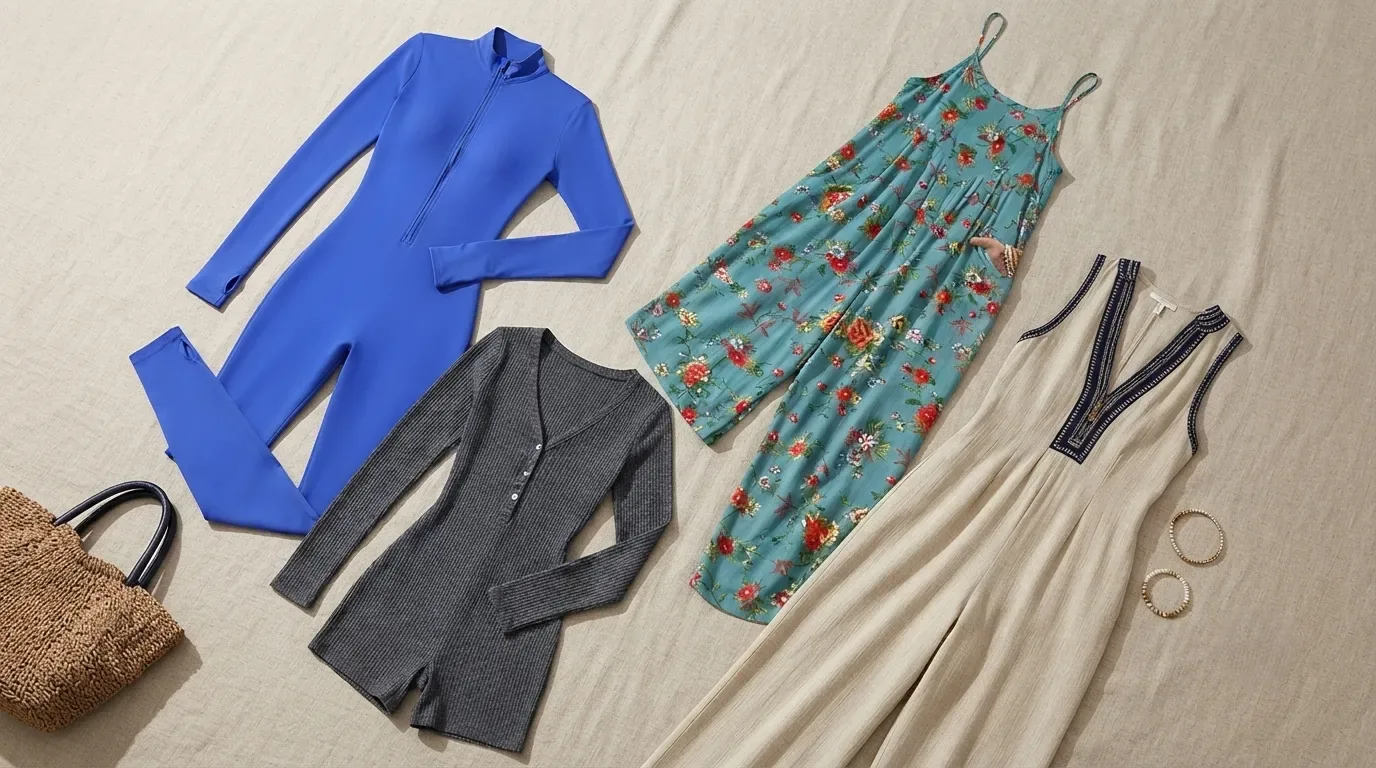
The best women’s jumpsuit for 2026 depends on the occasion — an athletic style for workouts, a bohemian style for daytime, a fitted knit for evenings out, and a breathable linen-blend for hot weather. A jumpsuit’s core advantage over separates hasn’t changed: one garment replaces the top-and-bottom decision entirely.
This guide covers four jumpsuit and romper styles worth owning in 2026, how to match each one to the right occasion, and what fit details separate a jumpsuit that gets worn weekly from one that ends up returned.
Sports Jumpsuits for Daily Use
A sports-cut jumpsuit with a skinny fit and functional zipper is practical well beyond the gym, working for errands, travel days, and casual outings. The Long-Sleeve Outdoor Sports Jumpsuit is built around training and yoga use but transitions easily into daily wear thanks to its clean, minimal design.
The hip-raise design detail specific to athletic jumpsuits is worth noting for anyone who plans to wear the piece outside a workout context, since it’s engineered for a flattering fit during movement rather than static styling alone.
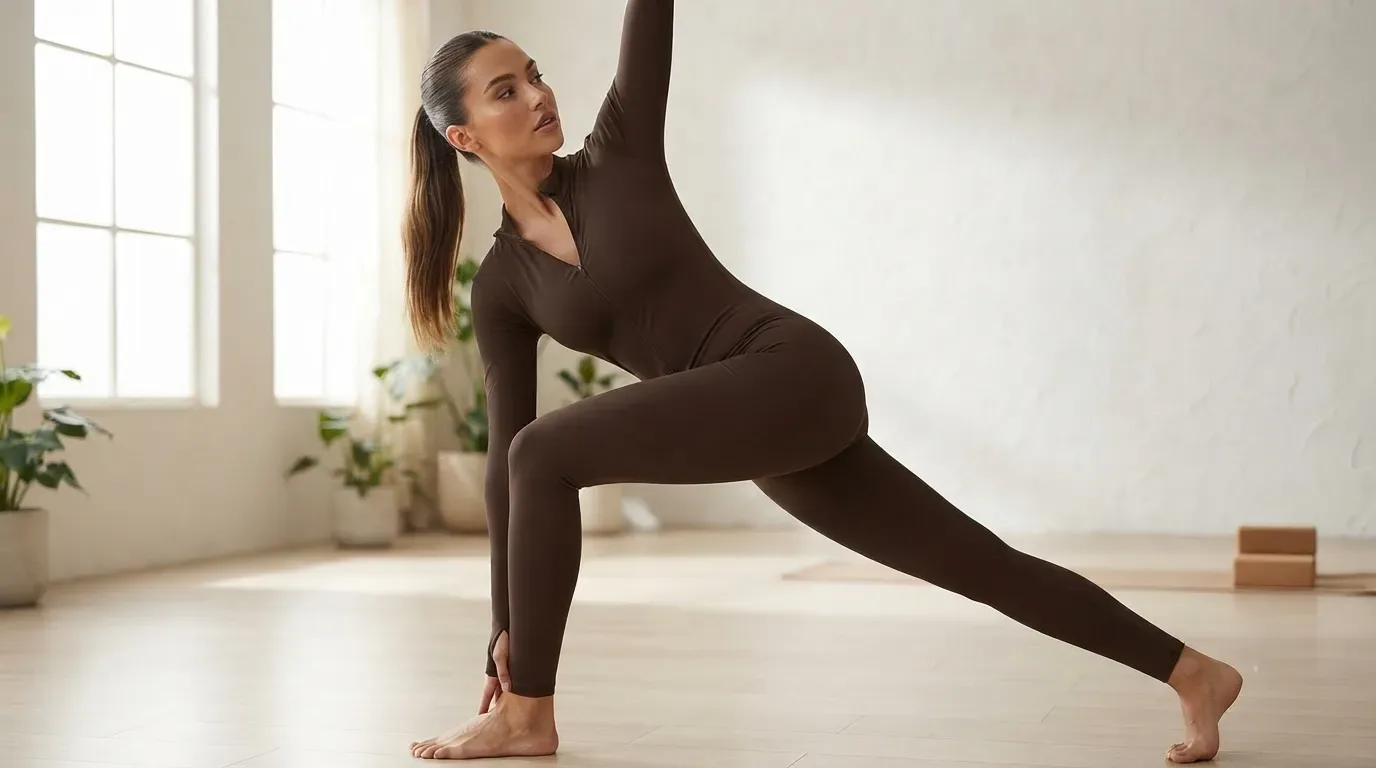
A sports jumpsuit works well for:
- Yoga classes and light training sessions
- Travel days that require comfort and easy movement
- Errand running where a put-together look still matters
Bohemian Overalls for Relaxed Days
A bohemian overalls jumpsuit favors a loose, wide-leg silhouette with adjustable straps, unlike a fitted romper’s shorter, tighter cut. The Summer Printed Casual Overalls uses this loose, floral, pocketed design specifically for relaxed summer wear, making it a strong option for anyone who finds fitted styles uncomfortable in high heat.
The looser fit also makes bohemian-style jumpsuits more forgiving across different body types and more comfortable for extended outdoor wear, like a full day at a festival or a long summer afternoon spent outdoors without changing outfits.

Why Pockets Matter More Than Expected
Functional pockets on a casual jumpsuit solve a genuine practical problem — carrying a phone, keys, or cash without a separate bag. This detail becomes one of the most-cited reasons buyers repurchase a specific jumpsuit style.
Fitted Knit Rompers for Nights Out
A fitted knit or ribbed jumpsuit should be chosen for occasions that call for a defined silhouette — a night out, a date, or an event. The Ribbed Knit Bodycon Jumpsuit uses ultra-stretch fabric that holds its shape through movement without losing structure over an evening.
Stretch percentage is the key spec to check here: a fabric blend with at least 5% spandex or elastane will hold a fitted silhouette through sitting, dancing, and walking.

Avoiding Rigid Fabrics for Fitted Cuts
Fabric with little to no stretch should be avoided for a fitted jumpsuit, since any movement pulls the fabric tight in ways that show every seam and fit imperfection.
Linen-Blend Jumpsuits for Hot Weather
A linen-blend sleeveless jumpsuit is one of the best warm-weather alternatives to a cotton romper, offering breathability that synthetic fabrics can’t match in high heat. The Simple Linen-Blend Sleeveless Jumpsuit uses a loose waist and full-length cut designed specifically for hot-weather comfort, making it a practical choice for peak summer months when synthetic fabrics can feel stifling.
Linen blends do wrinkle more easily than polyester, which is a trade-off worth knowing before packing one for travel. For daily local wear, the breathability advantage typically outweighs the extra ironing a linen-blend piece occasionally needs.

Full-Length vs. Cropped for Hot Climates
A full-length linen-blend jumpsuit actually performs better in direct sun than a cropped romper, since the loose, breathable fabric moves air across the skin without clinging.
Matching Jumpsuits to the Right Occasion
Choosing between the four styles above comes down to matching fabric weight and cut to the actual plan for the day, rather than defaulting to whichever jumpsuit is easiest to reach in the closet. A sports jumpsuit for a workout day, a bohemian style for a market or festival outing, a knit style for an evening plan, and a linen style for peak summer heat covers nearly every scenario a typical month presents.
Owning one of each, rather than three variations of the same style, produces more usable outfit options than a jumpsuit collection built around a single favorite cut. This same principle — breadth over depth within a small core wardrobe — applies across nearly every category covered in this guide.
Checking Fit Before Buying Online
A jumpsuit has to fit correctly at both the waist and the inseam simultaneously, which makes it harder to size than a dress. Buyers who are between sizes typically do better sizing up rather than down, since a slightly loose fit is more comfortable and easier to adjust with a belt than one that’s too tight at the crotch or rise.
Carefully checking size charts and customer reviews for fit notes matters more in this category than in almost any other garment type, since a jumpsuit that runs long in the torso but short in the leg — or the reverse — can look completely different on two people wearing the same labeled size.
Reading Reviews for Fit Clues
Reviews that mention height alongside fit feedback are far more useful than star ratings alone, since a five-star review from someone five inches taller or shorter may not translate to a similar fit. Cross-referencing a few reviews from people close to a similar height gives a more reliable prediction than any single review in isolation.
Accessorizing Each Jumpsuit Style
A sports jumpsuit needs almost no accessories beyond supportive sneakers, while a bohemian overalls style pairs well with a simple sandal and a wide-brim hat for sun protection. Fitted knit rompers benefit from one statement accessory — a bold earring or a structured clutch — since the silhouette itself is already the focal point of the outfit.
Pair a linen-blend jumpsuit with minimal jewelry and a simple sandal so that the breathable, relaxed fabric does the heavy lifting. Avoid competing accessories that draw attention away from the silhouette.
Footwear Choices Across Styles
With the sporty and bohemian styles you can wear sneakers, or a low block heel or dressy flat sandal to dress up the fitted knit and linen-blend jumpsuits for evening or event wear. Matching footwear formality to the jumpsuit’s own formality level avoids the common mismatch of pairing an elegant jumpsuit with overly casual shoes.
Washing and Storing Jumpsuits Properly
Ribbed knit and stretch-fabric jumpsuits hold their shape longer when washed on a cold, gentle cycle and laid flat to dry rather than hung, since hanging can stretch out the fabric at the shoulders over time. Linen-blend pieces, by contrast, do better hung to reduce the deep creasing that comes from folding.
Storing jumpsuits on padded hangers, or folded loosely for knit styles, prevents the shoulder and strap areas from developing permanent stretch marks that change the fit over time.
FAQs:
How Many Jumpsuits Are Needed?
A wardrobe typically needs three jumpsuits: one athletic style, one casual daytime style, and one fitted style for evenings. Beyond three, most buyers find they reach for the same one or two styles repeatedly.
Can a Jumpsuit Be Layered With a Jacket?
Yes — most jumpsuit styles layer well with a blazer, denim jacket, or cardigan, which extends their usable season and adds versatility beyond a single warm-weather outfit.
What Fabric Should Be Avoided for a Fitted Style?
Fabric with little to no stretch should generally be avoided for a fitted jumpsuit, since movement will pull the fabric tight in ways that show every seam.
Are Jumpsuits Harder to Alter Than Dresses?
Yes, generally — altering both the waist and inseam together is more complex than adjusting a single dress hem, so getting close to the right size at purchase matters more for jumpsuits than most other garments.
Do Jumpsuits Work for Petite or Tall Frames?
Yes, paying attention to rise and inseam length especially. If you’re petite, go for a shorter rise and inseam so you don’t have extra fabric bunched at the waist or ankle, while a taller frame may want to look for styles marked “long” or adjustable straps that add length to the shoulder.
Key Takeaways
The top jumpsuit wardrobe for 2026 includes an athletic jumpsuit for working out and running errands, a bohemian style for relaxed daytime wear, a fitted knit style for evenings, and a linen-blend style for hot weather.
Quick reference for a jumpsuit wardrobe:
- Workouts and errands: sports-cut skinny jumpsuit
- Daytime casual: bohemian overalls jumpsuit
- Nights out: fitted ribbed knit romper
- Hot weather: linen-blend sleeveless jumpsuit
Fit at the waist and inseam matters more than fabric or print choice — a jumpsuit that fits correctly in both places will get worn regularly, while one that’s off in either spot typically ends up at the back of the closet. This single fit principle explains more about which jumpsuits get repeat wear than any color or trend consideration ever will.
Building a small, well-fitted collection across the four occasions covered in this guide — workouts, casual days, evenings, and hot weather — creates far more usable outfits than buying multiples of a single favorite style. Each additional jumpsuit purchase should be evaluated against a genuine gap in that four-occasion coverage, not against how appealing it looks on a hanger or in a product photo.
