
Our pick for the best women’s everyday wear for 2026 is a solid-color, cotton-blend crew-neck tee, because basics you wear two to three times a week have a much better cost-per-wear than trend-driven statement pieces worn only occasionally. A well-built top drawer isn’t about having the most pieces — it’s about the right ratio of basics to statement items.
This guide covers the top categories worth prioritizing in 2026 — basics, going-out pieces, and knitwear — plus the fabric details that determine whether a top survives a full season of regular washing.
Basic Tees as the Foundation
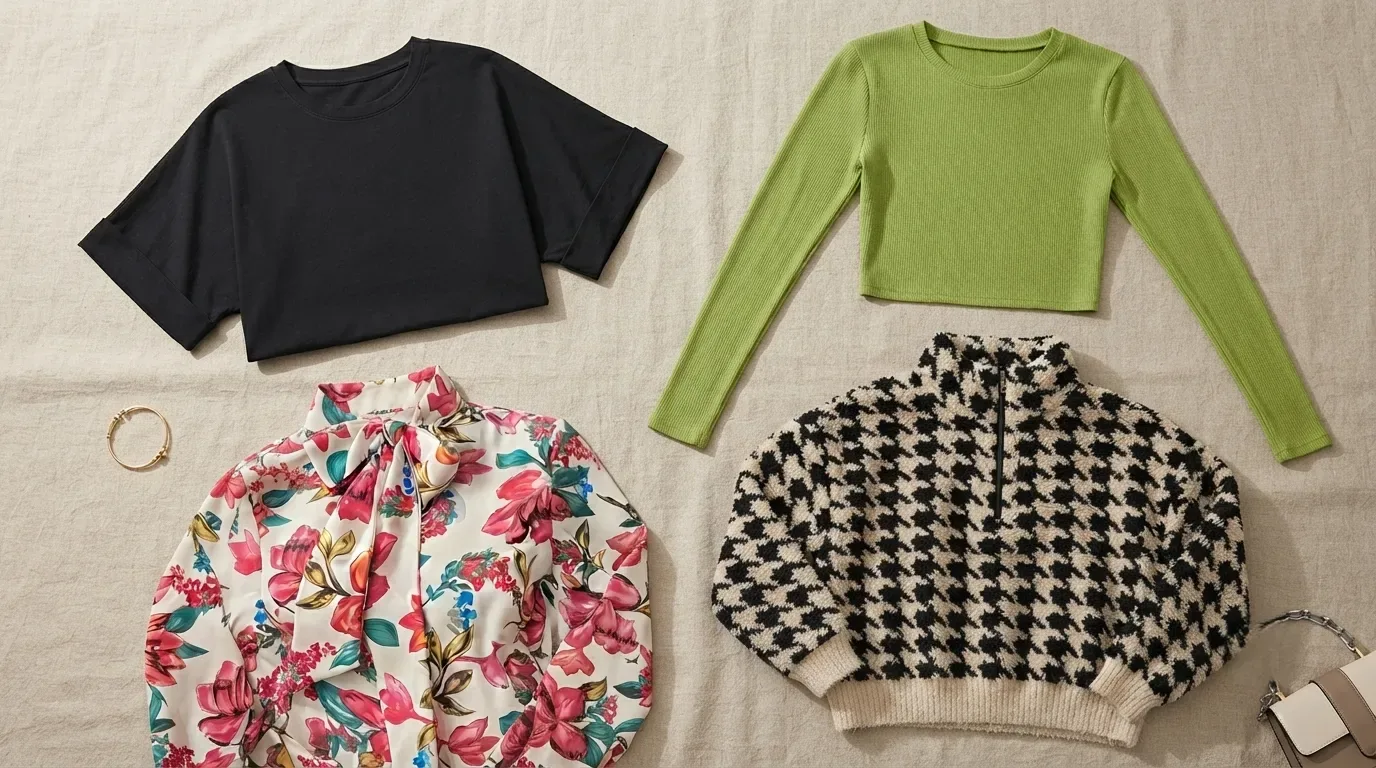
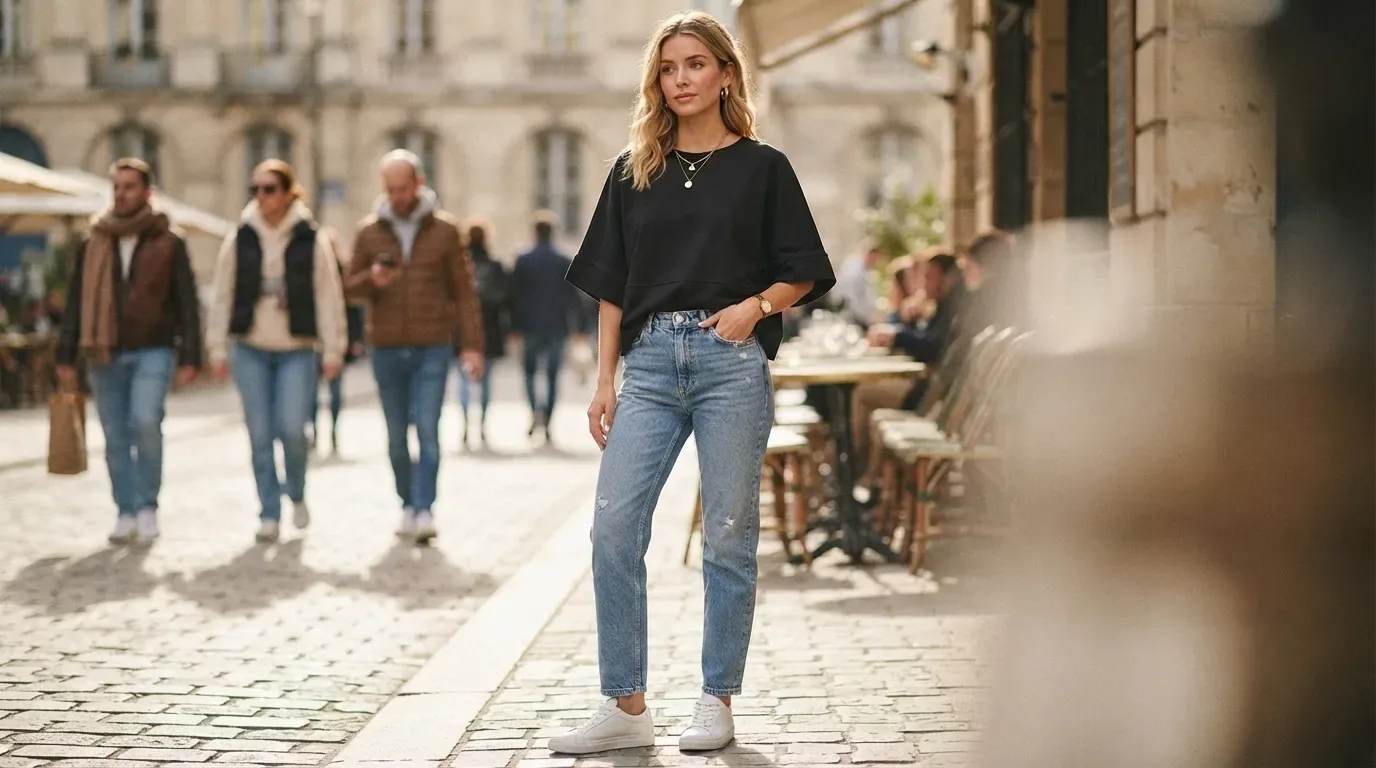
Basic tees should anchor a 2026 top drawer because they’re worn more often than any other category, which makes fabric durability more important than any single design detail. The Basic Solid-Color Crew-Neck T-Shirt uses a cotton-blend fabric specifically chosen for repeated washing without losing shape or fading.
A loose, relaxed fit in a basic tee also works across more body types and styling contexts than a fitted alternative, pairing equally well with jeans, tailored trousers, or a skirt without requiring careful proportion planning each time it’s worn.
A basic tee earns repeat purchases when it:
- Holds its shape after 20+ wash cycles
- Doesn’t require ironing to look presentable
- Works under blazers, cardigans, and as a standalone piece
Cropped Knit Tops for Layering
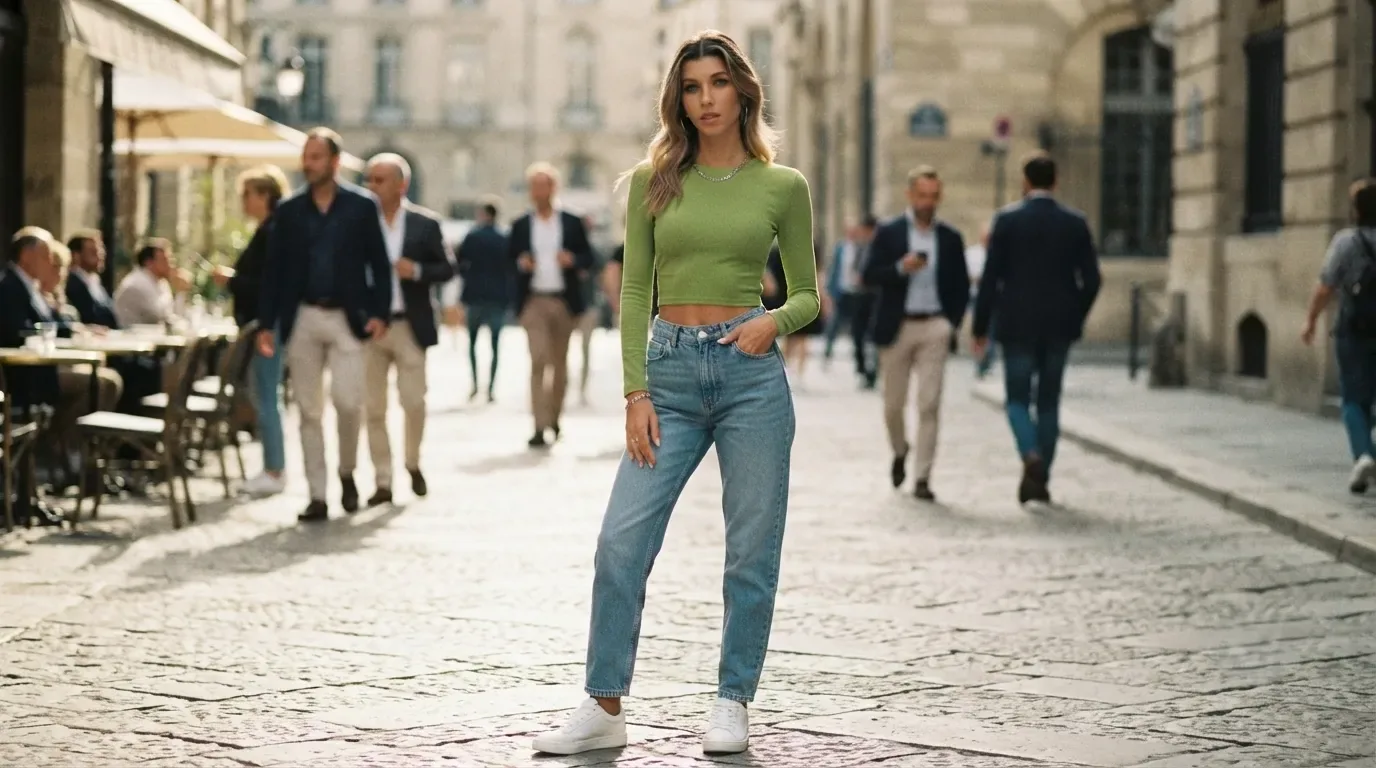
A cropped, slim knit long-sleeve top is practical for three seasons — fall, winter, and spring — but works best layered rather than worn alone in the coldest months. The Cropped Slim Knit Long-Sleeve T-Shirt offers a modern, fitted silhouette that pairs well with high-waisted bottoms.
The cropped length works best with high-waisted trousers, skirts, or jeans, since it’s designed to sit at the natural waistline rather than covering the hip.
Pairing Fitted Tops With Structured Bottoms
A fitted knit top balances visually with structured, higher-waisted bottoms, while pairing a fitted top with an equally fitted bottom can read as overly tight rather than intentionally tailored.
Blouses for Day-to-Night Wear
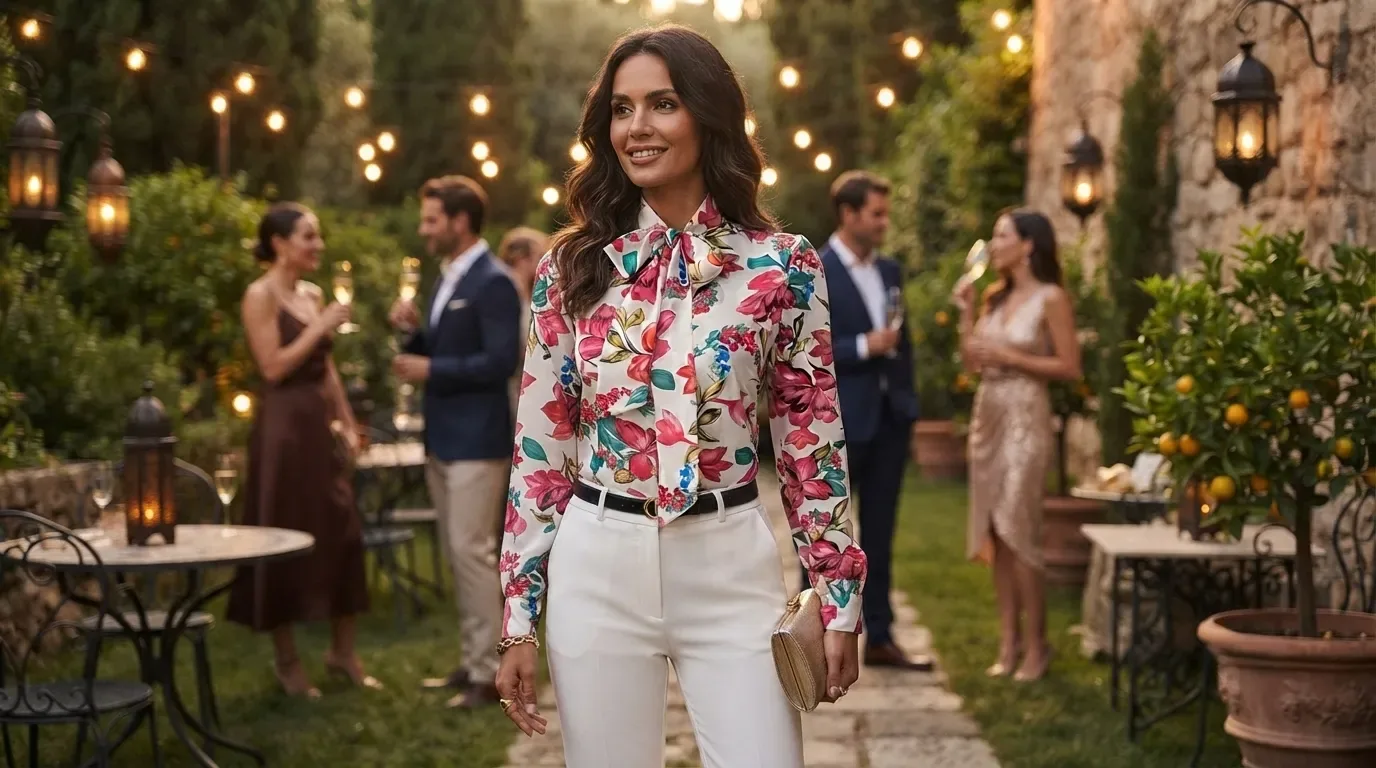
A blouse suits both casual and going-out wear when the fabric and detailing read as slightly elevated without requiring a full change of accessories. The Floral Print Laced Top achieves this with a polyester floral pattern and lace detailing that works equally well at a casual lunch or an evening gathering.
Lace and floral detailing tend to photograph well in both daytime and evening lighting, which is part of why these details remain popular across multiple seasons.
A dual-purpose blouse works well for:
- Daytime brunch that extends into an evening affair
- Casual, less corporate dress code offices
- Put together one look that will carry you through two events in a single day
Relaxed Tops for All-Day Comfort
A relaxed-fit top is not your regular fitted top. It’s a top that gives you ease of movement and comfort over a defined silhouette, making it a better option for long days that involve sitting, walking, and layering. A relaxed-fit loose top works particularly well tucked loosely into high-waisted bottoms.
This style has grown in popularity as more wardrobes prioritize all-day comfort over a strictly tailored look, particularly for remote work days or travel.
Small Details That Add Interest
A ruffle sleeve or similar detail on an otherwise simple round-neck top adds visual interest without requiring a completely different silhouette or cut.
Knit Sweaters as the Underbought Basic
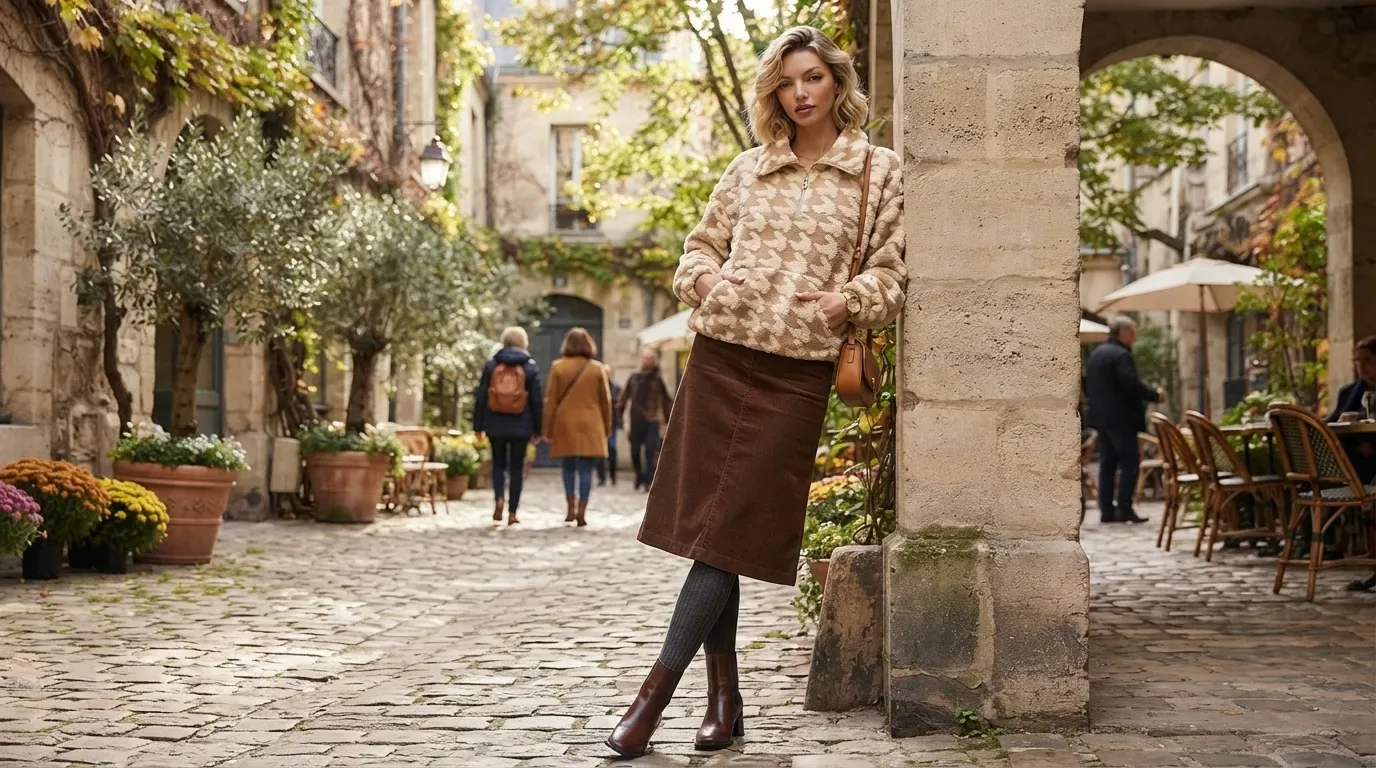
A knit sweater is one of the most underbought wardrobe items because its versatility isn’t always obvious while browsing online, even though it works from September through March without needing a jacket underneath on mild days. The Chic Knit Sweater pairs with jeans, a skirt, or tailored trousers with almost no styling effort required.
Buyers who own only one or two sweaters often find themselves reaching for the same piece repeatedly through an entire winter, which is a sign the category deserves more investment, not less.
Wool, Cotton, or Acrylic Knits?
Wool knits offer the best warmth-to-weight ratio but often need hand-washing, while cotton and acrylic blends are more machine-wash friendly at the cost of slightly less insulation, making the right choice dependent on climate and care routine.
Choosing Necklines That Work for Everyone
A crew neck and a V-neck cover the widest range of face shapes and layering needs, which is why these two necklines dominate most basics collections rather than more specific cuts like a boat neck or turtleneck. A crew neck reads as slightly more casual, while a V-neck elongates the neckline and pairs well under blazers.
Buyers building a top drawer from scratch generally get more mileage starting with these two neckline styles before adding more specific cuts for variety later.
Sleeve Length and Seasonal Flexibility
In most US climates, short sleeves and long sleeves each cover about half the year, so a balanced mix of both is more useful than a heavy lean towards one. Three quarter sleeve length is a compromise, and will work in a wider range of temperatures than either extreme.
Caring for Delicate Blouse Details
Statement blouses often have delicate detailing like lace trim or sequins and other embellishments that usually need to be hand-washed or put in a garment bag on a gentle machine cycle. These embellishments can snag or come loose in a regular wash. Checking for a specific care label before the first wash prevents avoidable damage to a piece that’s otherwise built to last for years.
Ironing directly over lace or sequin detail should be avoided; a pressing cloth placed between the iron and the fabric protects delicate trim while still removing wrinkles from the surrounding fabric.
Building the Right Basics-to-Statement Ratio
A top drawer that leans roughly 70% basics and 30% statement pieces tends to produce the most usable outfit combinations over a full season. Buyers who reverse this ratio often end up with closets full of eye-catching pieces that rarely combine cleanly with anything else on hand.
Reviewing a top drawer every six months and counting actual wears per piece is a simple way to check whether this ratio has drifted too far in either direction.
Seasonal Color Rotation for Basics
Rotating basic tee colors seasonally — brighter tones in spring and summer, deeper neutrals in fall and winter — keeps a top drawer feeling current without requiring a full replacement each season. This is a lower-cost way to refresh a wardrobe than buying entirely new silhouettes every few months.
Buyers who keep the same core silhouettes but rotate colors seasonally typically spend less per year than those who chase new cuts and styles on the same seasonal schedule, while still achieving a similar sense of variety in their day-to-day outfits.
Building a Two-Season Color Capsule
A simple two-season approach uses white, pastel, and light gray tees for spring and summer, then swaps to black, burgundy, and charcoal for fall and winter. Keeping the same style and fit across both palettes means only the color needs to change, not the entire buying decision.
FAQs:
How Many Basic Tees Are Needed?
A good wardrobe should have four to six basic tees in two or three colours so you can wear them every day without having to wash them too often and without repeating the same outfit in a week.
Cotton or a Cotton Blend?
For everyday tops, a cotton blend with a small percentage of spandex or polyester usually performs better than pure cotton, because the blend resists shrinking and keeps its shape better through repeated wash cycles.
Trend Colors or Classic Colors for Blouses?
Generally speaking, classic colours will be a better long-term value for statement blouses. Trend colours can look dated after a season or two, but classic tones can be worn for years.
How Should Knitwear Be Washed?
Most knit sweaters should be washed on a cold, gentle cycle and laid flat to dry rather than machine-dried, since heat from a dryer is the primary cause of shrinking in knit fabrics.
Should Tops Be Bought in Multiple Sizes for Layering?
Sizing up slightly on a base-layer tee, while keeping the outer knit or blouse true-to-size, is a common strategy for anyone who layers regularly. This prevents the base layer from feeling restrictive under a fitted sweater or blazer.
Key Takeaways
The strongest tops wardrobe for 2026 is built primarily on basics — four to six solid-color tees — supplemented by one or two statement blouses and at least one versatile knit sweater.
Quick reference for a tops and knitwear wardrobe:
- Daily basics: 4-6 solid-color crew-neck tees
- Layering: 1-2 cropped or fitted knit long-sleeve tops
- Going-out: 1-2 statement blouses with lace or print detail
- Cold-weather anchor: at least 1 versatile knit sweater
Fabric durability matters more for basics than for statement pieces, since basics are worn far more frequently — investing slightly more in a tee worn twice a week pays off faster than investing the same amount in a blouse worn twice a year. Applying this same logic across the entire top drawer, rather than treating every purchase decision the same way, is what separates a wardrobe that performs well over a full year from one that looks good only in the first few wears.
