


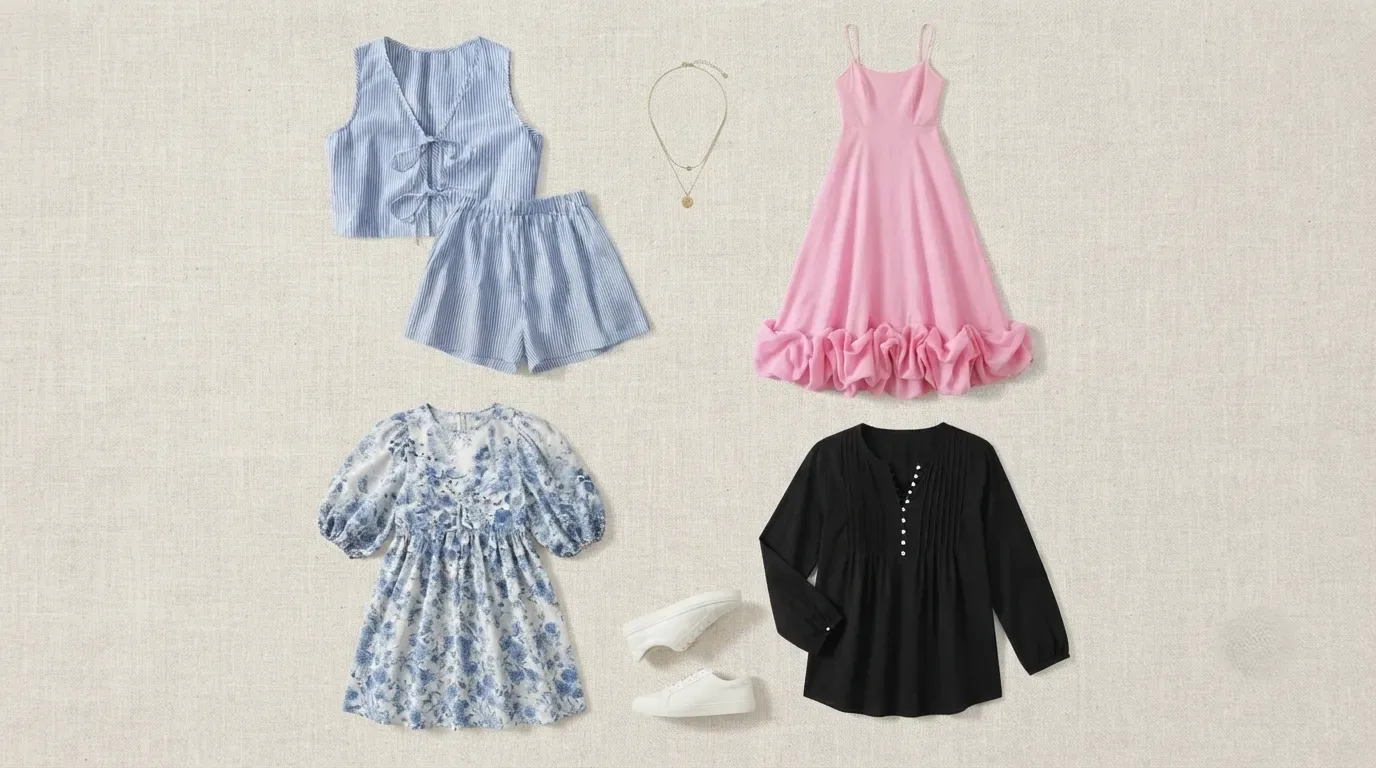
Activewear is no longer just for workouts by 2026, it’s everyday wear – leggings, co-ord sets and layered pieces transition from gym, to errands and casual social plans, without a change of outfit. The line between “activewear” and “everyday wear” has all but vanished and building your wardrobe around this shift means choosing pieces that can do both.
This guide is all about styling activewear outside of the gym, what pieces layer perfectly over leggings, and how to create a small rotation that works for workouts, errands, and casual outings.
Why Leggings Go Beyond the Gym
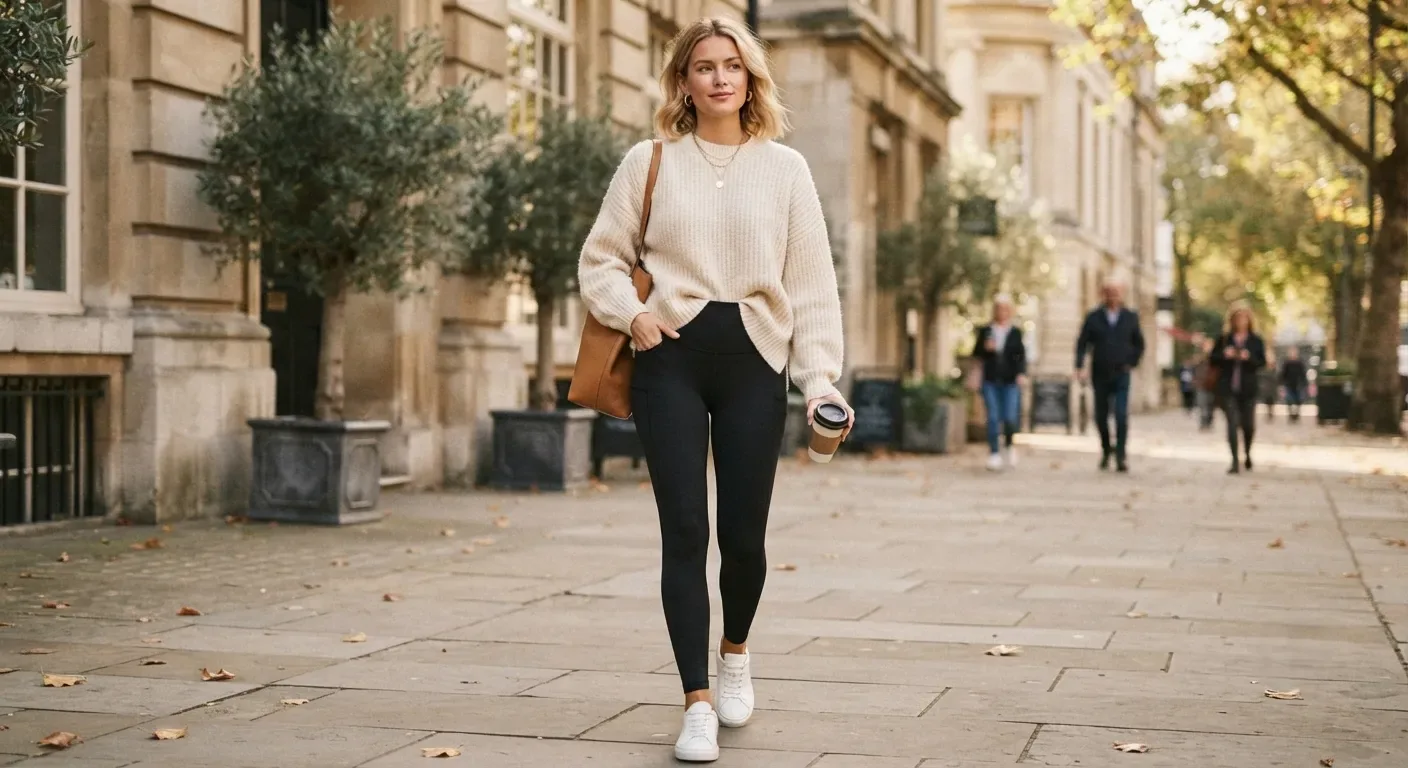
It’s just as common to see high-waisted leggings under oversized sweaters, trainers or layered under a skirt in 2026 as it is to see them at a workout. A high waistband, opaque fabric that doesn’t thin out when stretched, and a neutral color that pairs with more tops are the three factors that matter most for daily crossover use, more so than any specific brand or trend detail.
Leggings built specifically for this dual-purpose use tend to use a thicker, squat-proof fabric blend, which holds up to both a workout and a full day of sitting or walking without becoming see-through under normal indoor and outdoor lighting.
Daily-wear leggings should have:
- A high waistband that stays in place without rolling
- Opaque, squat-proof fabric even when stretched
- A neutral color that pairs with most tops already owned
Knit Co-ords for Effortless Matching
A striped knit co-ord set solves the same problem leggings solve — removing the top-and-bottom coordination decision — while leaning slightly more polished than a typical gym set. The Elegant Striped Knit Co-ord Set pairs a sleeveless knit tank with high-waist, loose shorts for exactly this kind of relaxed-but-put-together look.
This style works well for transitional activity days — a morning walk followed by errands — where a full gym outfit would feel too casual but a structured outfit would feel like overkill.
Matching Sets vs. Mixing Separates
A matching co-ord set removes styling decisions entirely, while mixing separates from an activewear drawer allows more outfit variety from the same core pieces.

Layering a Dress Over Leggings
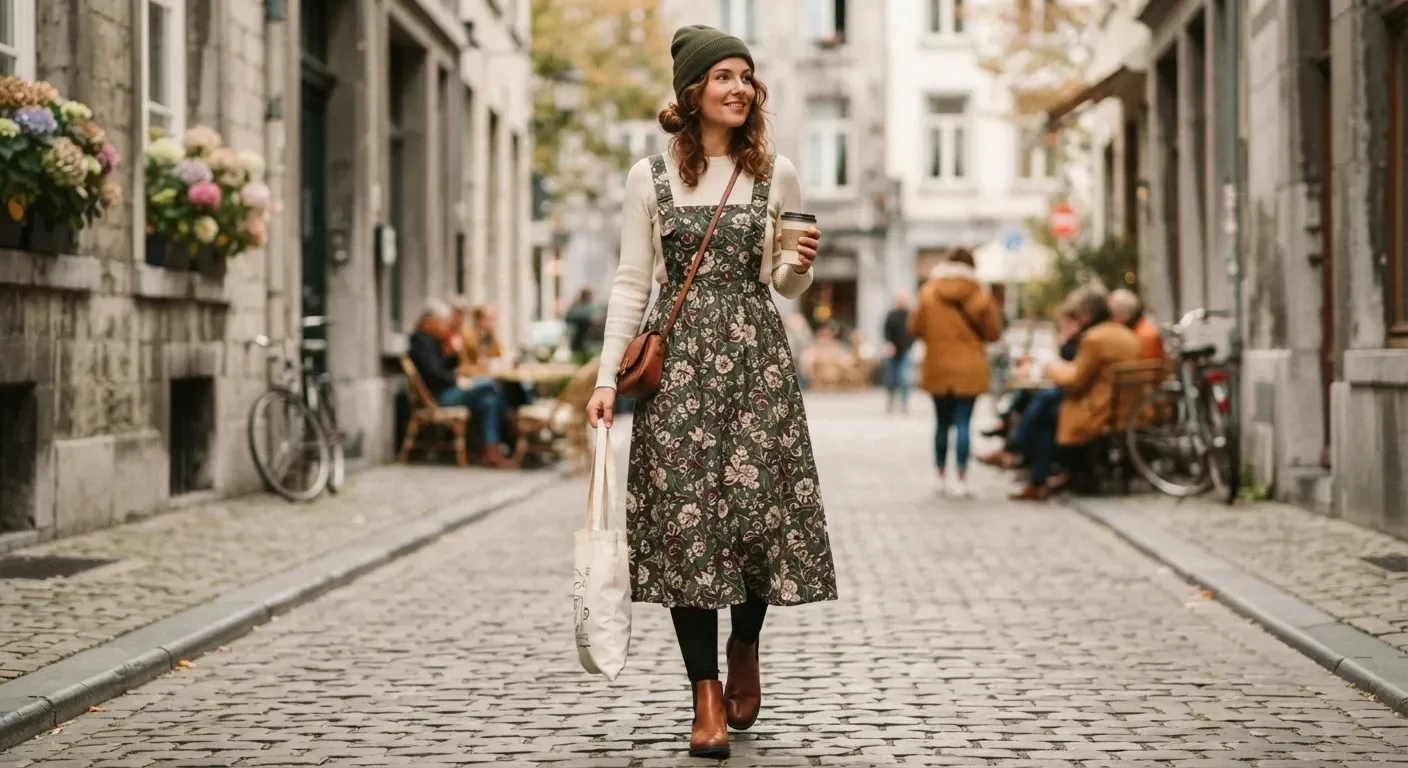
Layering a flowy dress over leggings extends the useful season of both pieces and creates a distinct silhouette from either worn alone. The 3D Flower A-Line Suspender Dress works particularly well for this layered look, since its A-line shape sits naturally over a legging silhouette without bunching.
This combo is perfect for those cooler days when you want a little more coverage than just a dress can provide. With one simple addition, a warm-weather piece becomes a three-season option.
Layering a dress over leggings works well for:
- dress too light for transitional weather
- Casual day outings that need a little more polish than just leggings
- Making a summer dress work for fall
Throwing a Blouse Over Activewear
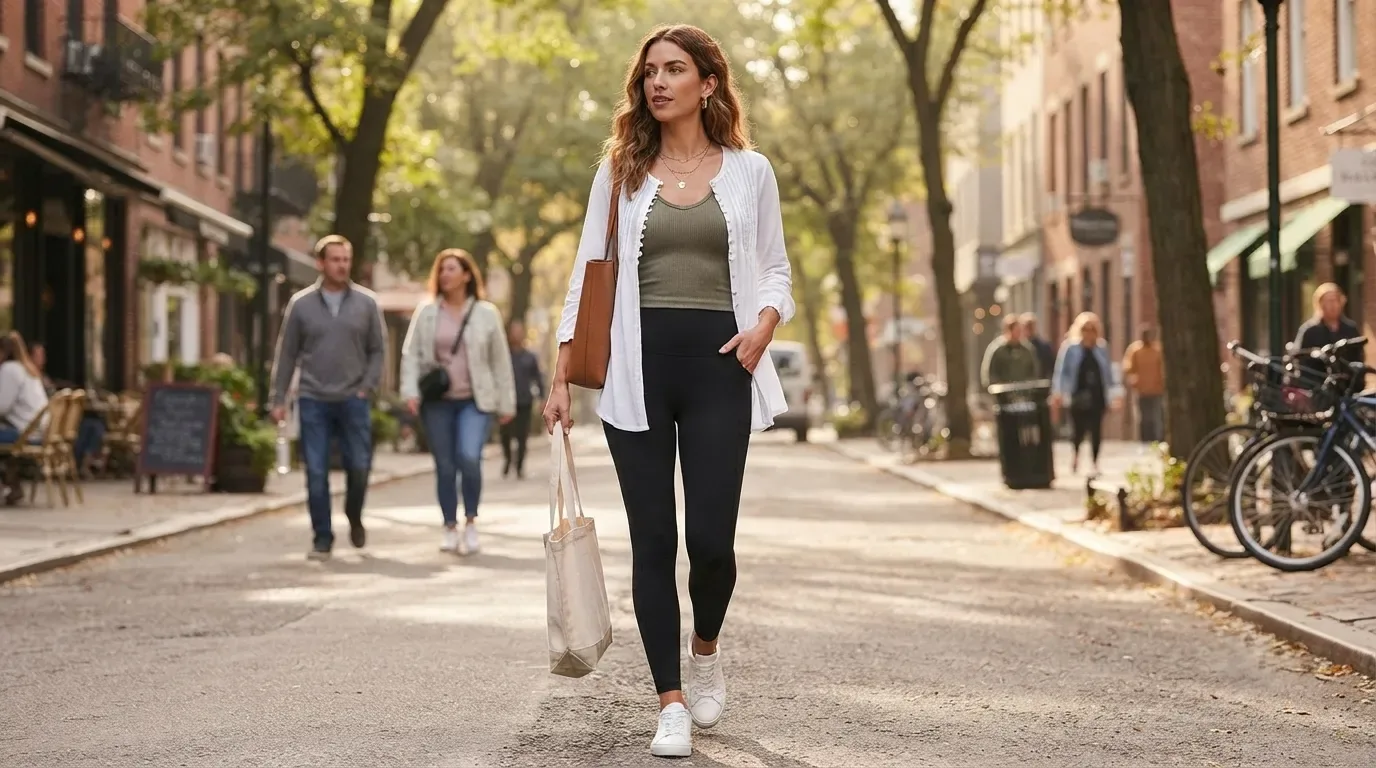
A structured blouse worn open over a legging-and-tank base shifts an activewear look toward something more presentable for a coffee run or casual errand. The Button-Front Ruched Blouse works well unbuttoned as a light layer, adding structure without committing to a fully changed outfit.
That’s why this layering trick is so popular: it doesn’t require changing out of your workout or errand outfit, just throwing an extra layer on top.
Choosing the Right Blouse Weight
A lightweight, slightly structured blouse layers better over activewear than a heavy or bulky top, because the goal is added polish without added warmth that competes with performance fabric underneath.
Building a Small, Flexible Rotation
A rotation built around two or three legging colors, one knit co-ord set, and one or two throw-over layering pieces covers most of the scenarios activewear needs to handle in 2026 — workouts, errands, and casual social plans. Buying multiples of a single favorite legging style, rather than a large variety of different cuts, tends to produce more consistent daily wear.
The rationale for this approach is similar to that of a well-curated wardrobe: fewer core pieces, worn more often, instead of a big collection with inconsistent use.
Caring for Performance Fabric
Activewear and knit co-ords should be washed in cool water, and air-dried (rather than machine-dried) as heat breaks down the elastic fibres that provide compression and shape retention. Also, a sport-specific detergent instead of regular detergent helps to maintain moisture-wicking properties.
Rotating between at least two or three similar pieces, rather than wearing the same single legging daily, extends the usable life of each piece by spreading out wear and washing frequency.
Spotting Fabric Breakdown Early
Thinning fabric at the knees or thighs, or a waistband that no longer springs back after stretching, are the earliest signs a legging needs replacing before it becomes see-through in regular wear.
Exploring the Full Collection
For buyers looking to build out a complete activewear-adjacent wardrobe, the Women’s Collection includes additional pieces across dresses, tops, and sets that pair naturally with the leggings and co-ord styles covered in this guide.
Browsing by category rather than searching for single items tends to surface more useful layering pairs, since related pieces are grouped together for easier comparison.
Footwear That Bridges Both Worlds
A clean white sneaker works across nearly every activewear-adjacent outfit in this guide, from a knit co-ord set to leggings layered under a dress, making it the single most versatile shoe choice for this category. A slide sandal is the practical second option for warmer days when a full sneaker feels like too much.
Avoiding highly technical, sport-specific footwear for non-workout occasions keeps the overall look leaning toward everyday wear rather than strictly gym-focused, which matters for the dual-purpose styling this guide covers.
Accessorizing an Activewear-Based Outfit
Most activewear-based outfits are completed with a simple crossbody bag or a small structured backpack without adding bulk competing with fitted leggings or a co-ord set. Oversized statement jewelry tends to look out of place against activewear fabric, so smaller, simpler pieces generally read as more intentional.
A baseball cap or simple hair clip works well for both workout and errand-running contexts, reinforcing the practical, low-effort styling philosophy that defines this entire category.
Seasonal Adjustments to an Activewear Rotation
Lightweight, breathable leggings and co-ord sets work best through spring and summer, while a slightly heavier fleece-lined legging extends the same rotation into fall and winter without needing an entirely different wardrobe approach. Layering — a light jacket, a longer cardigan, or the dress-over-leggings combination covered earlier — handles most of the seasonal adjustment needed.
Buyers who invest in one warm-weather and one cool-weather legging, rather than multiples of just one type, get more consistent year-round wear from a smaller overall collection.
FAQs:
How Many Pairs of Leggings Are Needed?
If you wear leggings a few times a week, for activity or casual, you’ll want to have two or three pairs in different neutral shades to get through your daily rotation without doing laundry too often.
Can Activewear Be Worn to the Office?
Not directly in most workplaces, but a knit co-ord set or leggings layered under a longer blouse or dress can bridge the gap for remote work days or casual-dress offices.
How Should Squat-Proof Fabric Be Identified?
Checking for a high spandex or elastane percentage, generally above 20%, alongside customer reviews that specifically mention opacity when stretched, gives the most reliable prediction of squat-proof performance.
Is It Better to Buy Activewear a Size Smaller?
No – true-to-fit sizing is more comfortable for daily wear and just as effective for most activewear, since most activewear fabric is already of sufficient stretch and compression at the right size.
Should Activewear Be Replaced More Often?
Yeah, generally — the elastic fibres in activewear tend to break down faster when washed often and stretched out compared to the fibres in regular casual clothing, so pieces worn several times a week often need replacing within 12-18 months.
Key Takeaways
The strongest activewear wardrobe for 2026 combines two or three pairs of neutral leggings, one knit co-ord set for effortless matching, and one or two layering pieces — a flowy dress or structured blouse — that transform a workout outfit into something suitable for errands or casual outings.
Quick reference for an activewear wardrobe:
- Daily base: 2-3 pairs of high-waisted, squat-proof leggings
- Effortless matching: 1 knit co-ord set
- Cooler-day layering: 1 flowy dress worn over leggings
- Errand-ready polish: 1 structured blouse worn open over a legging base
Fewer core pieces worn more often, rather than a large activewear collection, is what actually produces a consistent, put-together look across workouts, errands, and everything in between. This same principle has run through every category covered across this guide — dresses, suiting, jumpsuits, outerwear, tops, casual bottoms, skirts, and now activewear — and it remains the single most reliable way to build a wardrobe that earns its keep season after season rather than accumulating pieces that rarely see the light of day.
